
 3 min read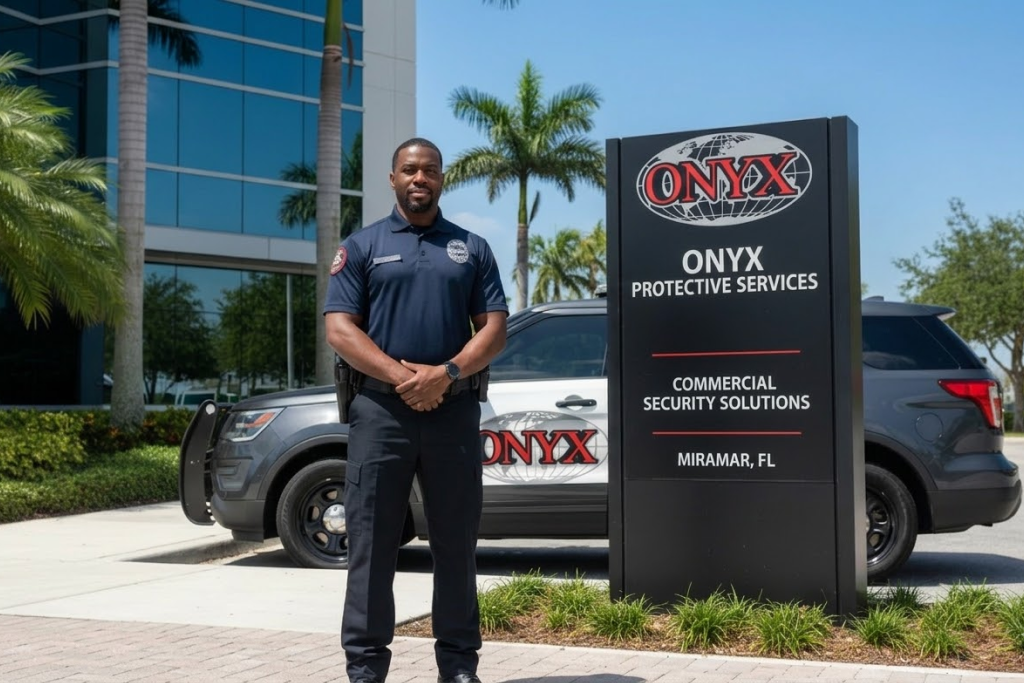
Professional Security Guard Service in Miramar, FL
Understanding Risk Assessment and Threat Prevention
Effective protection begins with identifying vulnerabilities before they become problems. A thorough risk assessment examines entry points, lighting conditions, surveillance blind spots, and traffic patterns to create a baseline understanding of your property’s exposure. Professional personnel evaluate both physical security infrastructure and operational procedures to develop customized protection strategies.
In South Florida’s dynamic business environment, properties face unique challenges including seasonal tourism fluctuations that increase foot traffic unpredictability and hurricane season preparations that temporarily alter normal access patterns. Retail centers near major thoroughfares experience higher vehicle and pedestrian volume, while industrial facilities in less populated areas require perimeter monitoring against unauthorized entry attempts.
Trained officers identify behavioral indicators that automated systems cannot detect, recognizing suspicious activity patterns before incidents occur. This proactive approach combines human judgment with systematic observation protocols, creating multiple layers of deterrence. Regular vulnerability assessments adapt to changing business conditions, ensuring protection strategies remain effective as your operations evolve. Properties that implement structured risk evaluation experience fewer incidents and demonstrate measurable reductions in loss prevention costs over time.
Trained Personnel Versus Technology-Only Approaches
While cameras and alarm systems provide valuable documentation and monitoring capabilities, they cannot replace the judgment and immediate response trained personnel deliver. Automated systems excel at recording events but lack the ability to assess situations, make nuanced decisions, or physically intervene when circumstances demand action. A camera captures footage of theft or vandalism but cannot prevent the incident from occurring or apprehend individuals involved.
Trained officers provide visible deterrence that fundamentally changes criminal behavior calculations. Potential offenders actively avoid properties with staffed protection, seeking easier targets elsewhere. This psychological barrier works continuously, preventing incidents rather than simply documenting them after losses occur. Personnel also fulfill customer service functions, providing directions, monitoring for medical emergencies, and creating welcoming environments that technology cannot replicate.
The most effective protection strategies integrate both elements. Surveillance systems extend observation capabilities across large areas while personnel respond to alerts, investigate anomalies, and handle situations requiring human interaction. Access control technology restricts entry points, but officers verify credentials and manage exceptions that rigid systems cannot accommodate. This layered approach addresses both prevention and response, delivering substantially better outcomes than either component alone. Properties implementing combined strategies report incident reductions of 60 to 75 percent compared to technology-only installations.
Customizing Protection Levels to Property Requirements
Different properties require distinct protection approaches based on asset values, threat levels, operational hours, and visitor interactions. Residential communities typically benefit from unarmed personnel who provide access control, patrol common areas, and offer concierge-style assistance to residents. These officers create secure environments without the intimidating presence that armed personnel might project in family-oriented settings.
Commercial properties hosting public events, handling significant cash transactions, or storing high-value inventory often require enhanced protection measures. Financial institutions, jewelry retailers, and pharmaceutical facilities face elevated risks that justify armed personnel trained in threat response protocols. These officers receive specialized training in conflict de-escalation, legal authority limitations, and appropriate use of force continuum.
Many businesses benefit from flexible arrangements combining multiple protection elements. A corporate office might position an officer at the main reception desk during business hours while mobile patrols check perimeters and parking structures after closing. Retail centers often deploy foot patrols during peak shopping periods and vehicle patrols during overnight hours. Construction sites require different protocols than hospitality venues, and healthcare facilities face unique regulatory requirements affecting personnel deployment.
Tailoring protection strategies to specific operational needs maximizes effectiveness while controlling costs. Starting with a professional assessment identifies actual risks rather than assumptions, allowing resource allocation to highest-priority vulnerabilities. Regular reviews ensure protection levels adjust as business conditions, tenant mixes, or neighborhood circumstances change over time.
Implementing Effective Patrol Strategies
Mobile patrol strategies offer cost-effective coverage for properties spanning multiple buildings, large parking areas, or distributed campuses where stationary posts cannot provide adequate monitoring. Vehicle patrols efficiently cover expansive industrial facilities, warehouse complexes, and business parks, while foot patrols work better for multi-level structures, retail environments, and pedestrian-oriented properties where closer interaction capabilities matter.
Randomized patrol timing prevents predictable patterns that determined offenders might exploit. While scheduled checkpoints ensure consistent coverage of critical areas, varying routes and intervals creates uncertainty for anyone observing protection routines. Officers document observations through digital reporting systems, noting maintenance issues, lighting failures, unsecured doors, and suspicious activities. This intelligence gathering identifies developing problems before they escalate into costly incidents.
Patrol personnel serve multiple functions beyond threat deterrence. They provide first-responder capabilities for medical emergencies, fire alarms, and environmental hazards. Officers escort employees to vehicles during evening hours, investigate unusual noises or activities, and verify that contractors accessing the property possess proper authorization. This versatility delivers value beyond pure loss prevention, supporting overall property management objectives.
Properties in South Florida face specific considerations including afternoon thunderstorms that create temporary visibility challenges and seasonal darkness shifts affecting optimal patrol timing. Understanding these regional patterns allows patrol scheduling that addresses actual risk windows rather than arbitrary coverage periods. Well-designed patrol programs reduce incident rates while providing documentation that supports insurance requirements and demonstrates reasonable care in premises liability situations.
Selecting Qualified Protection Partners
Choosing the right protection provider requires evaluating training standards, licensing compliance, insurance coverage, and operational track records. All personnel should hold valid state licenses, complete ongoing education requirements, and receive site-specific orientation before deployment. Providers should demonstrate financial stability through bonding and liability insurance that protects clients from potential claims arising from officer actions.
Quality providers invest in training beyond minimum licensing requirements, including conflict resolution, emergency response protocols, report writing, and customer service skills. Officers should understand legal boundaries governing their authority, particularly distinctions between observation and intervention responsibilities. Background screening processes should verify employment history, criminal record checks, and reference validation to ensure personnel meet professional standards.
Responsive communication separates adequate providers from exceptional ones. You should have direct contact with supervisory personnel who can address concerns, adjust deployment schedules, and respond to changing requirements. Regular performance reviews, incident reporting procedures, and quality assurance processes demonstrate organizational commitment to consistent service delivery. Providers should offer flexibility to scale services during peak periods, special events, or emergency situations without compromising quality.
When evaluating protection options for your property, consider how different approaches address your specific vulnerabilities and operational requirements. Professional providers conduct complimentary site assessments, reviewing your current measures and recommending appropriate enhancements. This consultation process should feel collaborative rather than sales-focused, with recommendations clearly tied to identified risks. Established providers serving the region bring valuable insights about local conditions, regulatory requirements, and proven strategies that deliver measurable protection improvements. Taking time to select qualified partners ensures your investment produces the safety outcomes and operational support your property deserves.
